Radiant floor heat is a welcome luxury in a Maine winter - a warm bathroom floor under bare feet in January is hard to beat. If you already have radiant heat or you're adding it during a renovation, the floor you put over it matters. Some materials move heat well and tolerate warmth easily; others need more care. Here's a practical overview, with one reminder up front: the specific product's manufacturer guidelines always have the final word.
Tile and Stone: The Natural Fit
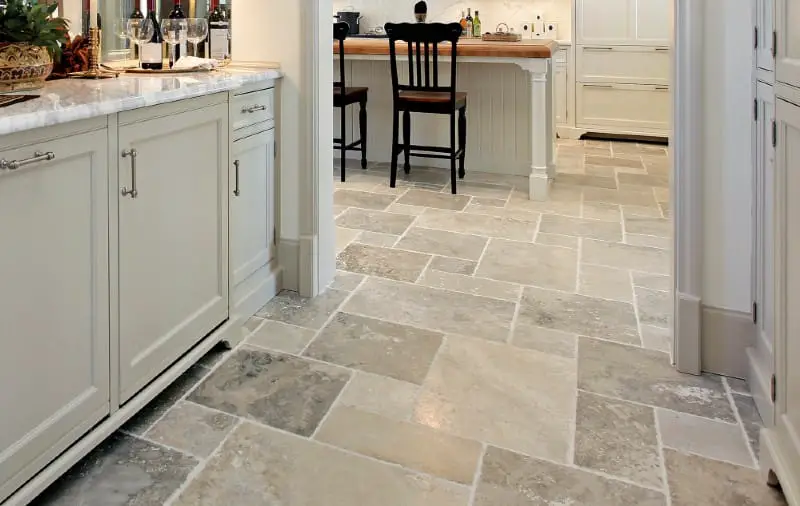
Porcelain tile and natural stone are dense materials that pass heat through readily and stay stable as temperatures change. That's why radiant systems and tile so often go together in bathrooms, kitchens, and mudrooms. Because tile feels hard and cool without heat, adding radiant underneath changes how the whole room feels - which can make tile a more comfortable choice in a cold-climate home than many people expect.
Engineered Hardwood vs. Solid
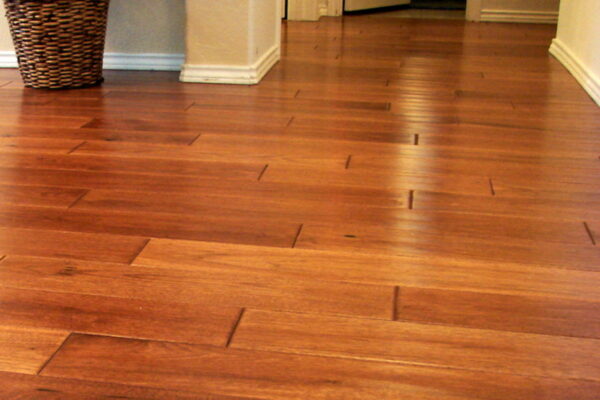
Wood and heat take more planning. Engineered hardwood, with its layered construction, is generally more dimensionally stable than solid boards, which is why many manufacturers approve engineered products for use over radiant heat. Solid hardwood tends to expand and shrink more as the floor warms and cools, so it's less commonly recommended over radiant systems. If you have your heart set on a wood look, ask about engineered options and their radiant ratings at your estimate.
Luxury Vinyl, Laminate, and Carpet
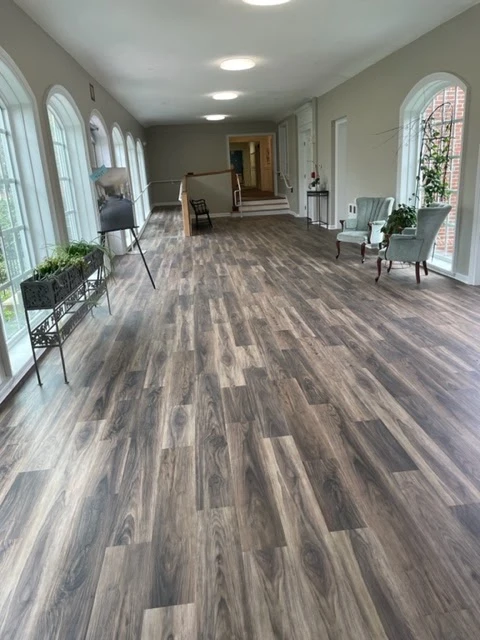
Many luxury vinyl plank and laminate products are approved for radiant heat, usually with a maximum surface temperature and a specified installation method. Staying within those limits matters, because running the floor hotter than recommended can affect both the product and its warranty. Carpet can also go over radiant heat, but it acts as a layer of insulation: a thick cushion and deep pile slow the warmth reaching the room. In a radiant-heated bedroom, a lower-profile carpet with a pad suited to radiant systems typically performs better than the plushest option.
Tips for Living With Radiant Heat
- Raise and lower the temperature gradually at the start and end of heating season rather than all at once.
- Keep the floor within the manufacturer's recommended surface temperature.
- Avoid covering large areas with thick rugs that trap heat against the floor.
- Mention the radiant system when you book your estimate so the right materials and methods are planned from the start.
Planning flooring over radiant heat?
Book a free in-home estimateEvery radiant system and every home is a little different, so the best next step is a conversation about yours. We serve homeowners from Portland to Brunswick and throughout the Greater Portland area. Schedule your free estimate and we'll walk through the options that fit your system.