Maine doesn't do a light winter. By the time the first real snow hits Casco Bay, most of us are bracing for five or six months where floors stay cold and boots come off wet more often than not. Carpet has always been one of the best answers to that - it's warm, it's quiet, and the right combination of fiber and padding can make a real difference in how a room feels from November through April. Here's how to choose carpet that actually holds up to a Greater Portland winter, not just a showroom sample under warm lights.
Why Carpet Earns Its Keep in a Maine Winter
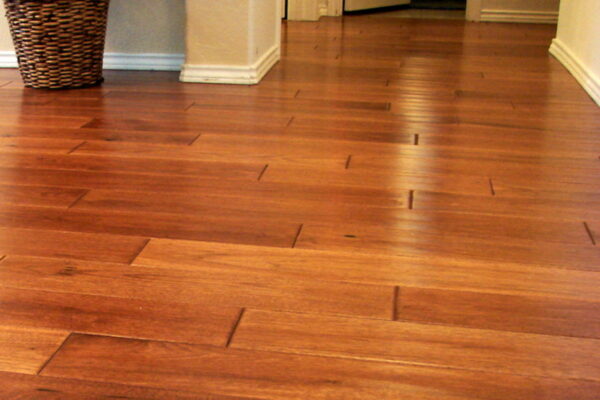
Hardwood and tile floors look great, but they're cold to the touch for a big chunk of the year - especially in the older capes, colonials, and farmhouses that make up so much of the housing stock around South Portland, Cape Elizabeth, and Falmouth. Carpet acts as a natural insulator, trapping a layer of warm air against the floor and taking some of the load off your heating bill during the coldest stretches. It also muffles sound between floors, which matters in the two-story homes common throughout Greater Portland.
Fiber Types: Matching Material to the Room
Nylon is the workhorse fiber - it resists crushing and matting better than anything else on the market, which makes it the right choice for stairs, hallways, and living rooms that see daily traffic. Solution-dyed nylon (where the color runs all the way through the fiber, not just on the surface) also resists staining, which matters when everyone's tracking in road salt and de-icer residue for months at a time. Wool is the premium option - it's naturally insulating, resists soil, and has a rich, dense feel underfoot, though it costs more than synthetic fibers. Polyester lands in between: it's soft, comes in vivid colors, and is genuinely budget-friendly, but it doesn't hold up to heavy traffic quite as well as nylon, so it's best saved for bedrooms and other lower-traffic rooms.
Moisture From Tracked-In Snow and Slush
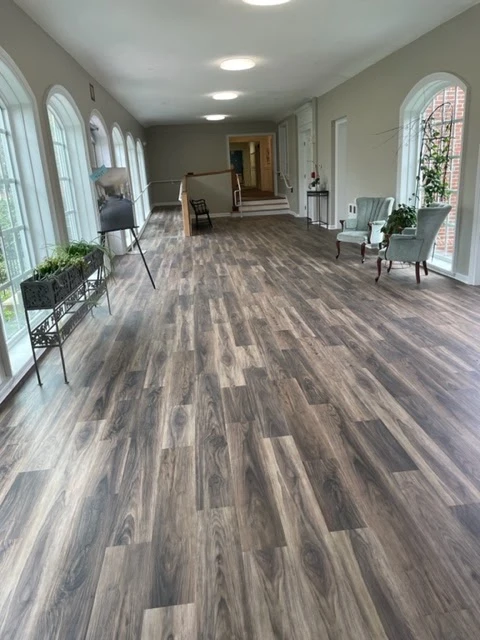
The biggest carpet mistake we see in Maine homes isn't the wrong fiber - it's putting carpet too close to the door. Boots dripping with slush, sand, and salt brine will find their way into any carpet within a few steps of an entryway, and no fiber is fully immune to that kind of repeated soaking. Our general rule: let a hard surface like tile or luxury vinyl plank handle the first several feet inside any exterior door, then transition to carpet once you're past the boot zone. For the carpeted rooms themselves, choose a solution-dyed nylon or triexta with built-in stain protection, and keep a stiff mat at the door to catch what you can before it ever reaches the carpet.
Stairs Deserve Their Own Plan
Stairs in a Maine home take a beating - they're high-traffic by nature, and in older houses the stairwell is often one of the coldest, least-insulated spots in the building. A dense loop pile or a tightly twisted frieze holds up best here, resisting the crushing and fraying that happens on tread edges. Stair carpet is also one of the few jobs worth leaving entirely to a professional installer: the tack strips, corners, and precise cuts around each tread are unforgiving of DIY mistakes, and a loose stair runner is a real safety hazard on an icy morning when everyone's rushing out the door.
Padding: The Part Nobody Thinks About
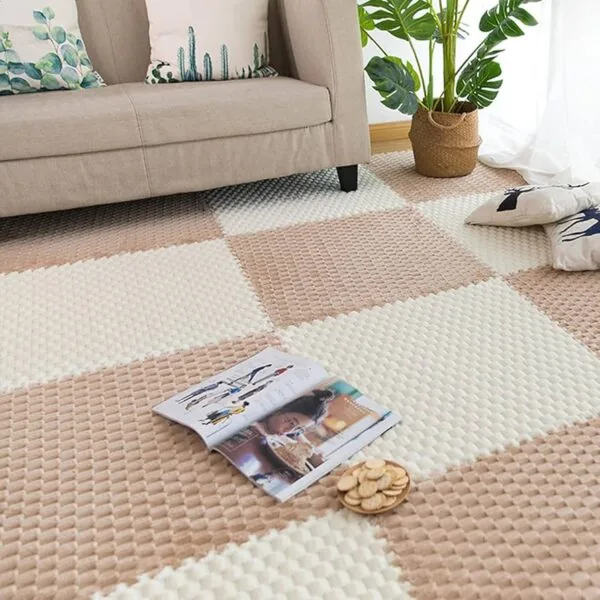
The pad underneath your carpet does more than add softness - it's an insulating layer that keeps warm air from escaping through the subfloor, which matters a lot in a climate where the ground itself stays cold for months. A denser pad also absorbs foot traffic and protects the carpet backing, which extends the life of the whole floor. Match pad thickness and density to the room: a firmer, denser pad for high-traffic areas and stairs, a slightly thicker pad for bedrooms where comfort matters more than durability. Skimping on padding to save a few dollars is one of the most common ways homeowners shorten the life of an otherwise good carpet.
Bedrooms: Where Comfort Wins Out
Bedrooms are where you can lean fully into comfort. A soft polyester or a plush nylon feels wonderful against bare feet on a cold Maine morning, and since bedrooms see far less traffic than the rest of the house, you don't need to prioritize heavy-duty durability the way you would on a staircase or in a mudroom hallway.
Ready to find the right carpet for your home?
Book your free in-home estimateBring In a Sample Before You Decide
Photos and swatches only tell part of the story - carpet color and texture can look different under your own lighting, next to your own trim and walls. We bring a full range of fiber, pile, and pad samples right to your living room as part of a free in-home estimate, so you can see and feel exactly what you're getting before committing. We've been fitting Greater Portland homes with carpet since 1986, and you can read what our customers say about the process on our reviews page.