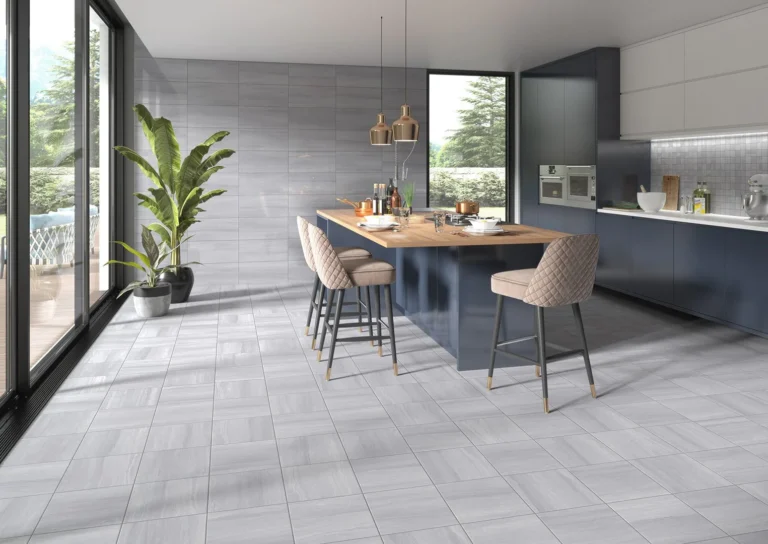
If you've spent any time browsing flooring showrooms, you've probably noticed that luxury vinyl plank and laminate flooring look almost identical from across the room - both do a convincing job of mimicking real hardwood grain, both click together in an afternoon, and both cost a fraction of solid wood. But underneath those good looks, they're built from completely different materials, and that difference matters a lot more here in coastal Maine than it does in a dry, mild climate. Between salt-slicked boots in January and sticky humidity off Casco Bay in July, your floors work harder here than almost anywhere else in the country.
Two Different Cores, One Big Difference in Maine
Laminate flooring is built around a high-density fiberboard (HDF) core - essentially compressed wood - topped with a photographic wood-look layer and a hard, clear wear layer. Luxury vinyl plank skips wood altogether: its core is solid PVC, with the wood-look printed on top and a flexible wear layer sealing it in. That core is the whole story. Wood fiber swells when it gets wet. Plastic doesn't. In a climate where winter boots track in snow, sand, and road salt for six months of the year, that's not a small detail - it's usually the deciding factor for which floor goes where in a Greater Portland home.
Waterproofing: Where the Real Decision Gets Made
Here's the honest version: LVP is fully waterproof. You can mop it, spill on it, or let a puddle of melted slush sit by the back door for an hour, and the plank underneath won't swell, cup, or delaminate. Laminate is only water-resistant at best - the surface sheds a quick spill, but water that sits in the seams or works its way to the HDF core will make the edges swell and the joints peak over time. For a South Portland mudroom that catches everyone's boots between October and April, or a kitchen sink area that inevitably sees dropped ice cubes and dish-water splashes, that's the difference between a floor that shrugs off a Maine winter and one that slowly telegraphs every wet season it's lived through.
Feel Underfoot and Sound in the Room
Step onto LVP and you'll notice it has a little give - it's warmer to bare feet on a cold January morning and quieter when kids or dogs run through the kitchen. Laminate is harder underfoot, closer to the solid feel of real hardwood or engineered hardwood, which is exactly why a lot of homeowners with older capes and colonials choose it for living rooms and dining rooms where they want that classic New England wood feel without the price tag or the worry of scratches from a shifting dining chair.
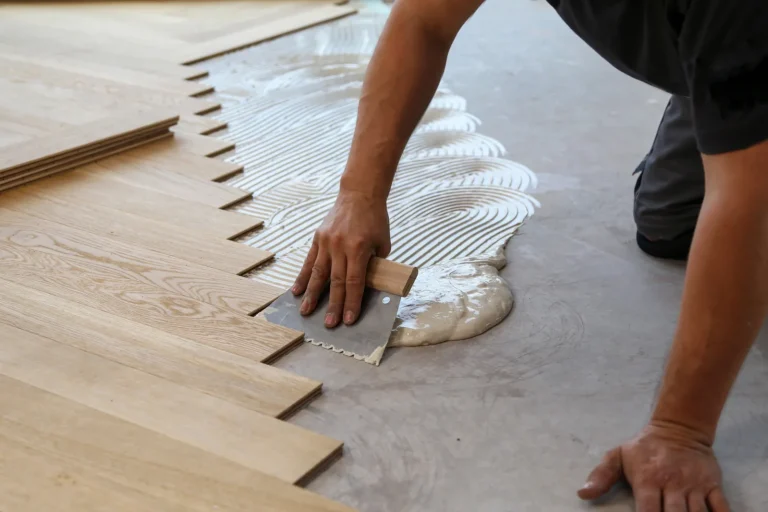
Room by Room: What Fits a Greater Portland Home
Most of the older housing stock around Portland, South Portland, and the surrounding towns follows a familiar pattern - a mudroom or back entry that takes the brunt of the weather, a kitchen that sees daily spills, and living spaces that stay mostly dry. That pattern makes the room-by-room call pretty straightforward:
- Mudrooms and back entries: LVP, every time - it's the room that meets snow, sand, and salt first.
- Kitchens: LVP or tile for full water protection near the sink and dishwasher.
- Bathrooms and laundry rooms: LVP or vinyl floor tiles for a fully waterproof, easy-clean surface.
- Living rooms and dining rooms: laminate is a great value if the space stays dry, or step up to real hardwood for resale value.
- Bedrooms: either works well, though many homeowners prefer the softer feel of LVP or the warmth of carpet instead.
Our Recommendation for Maine Homes
If we had to make one call for a typical Greater Portland home, it's this: let LVP handle anything within ten feet of an exterior door, and let laminate (or real hardwood) take the drier living spaces where you want that classic wood look underfoot. Both are floors we install every week, and both hold up well when they're put in the right room. Bring us your floor plan and we'll walk through exactly which material fits which space - and you can see what your neighbors think of our work on our reviews page before you decide.